Education
The most effective animal welfare work doesn't just help the animals in front of you - it changes the communities they’re born into to help the next generation of animals too.
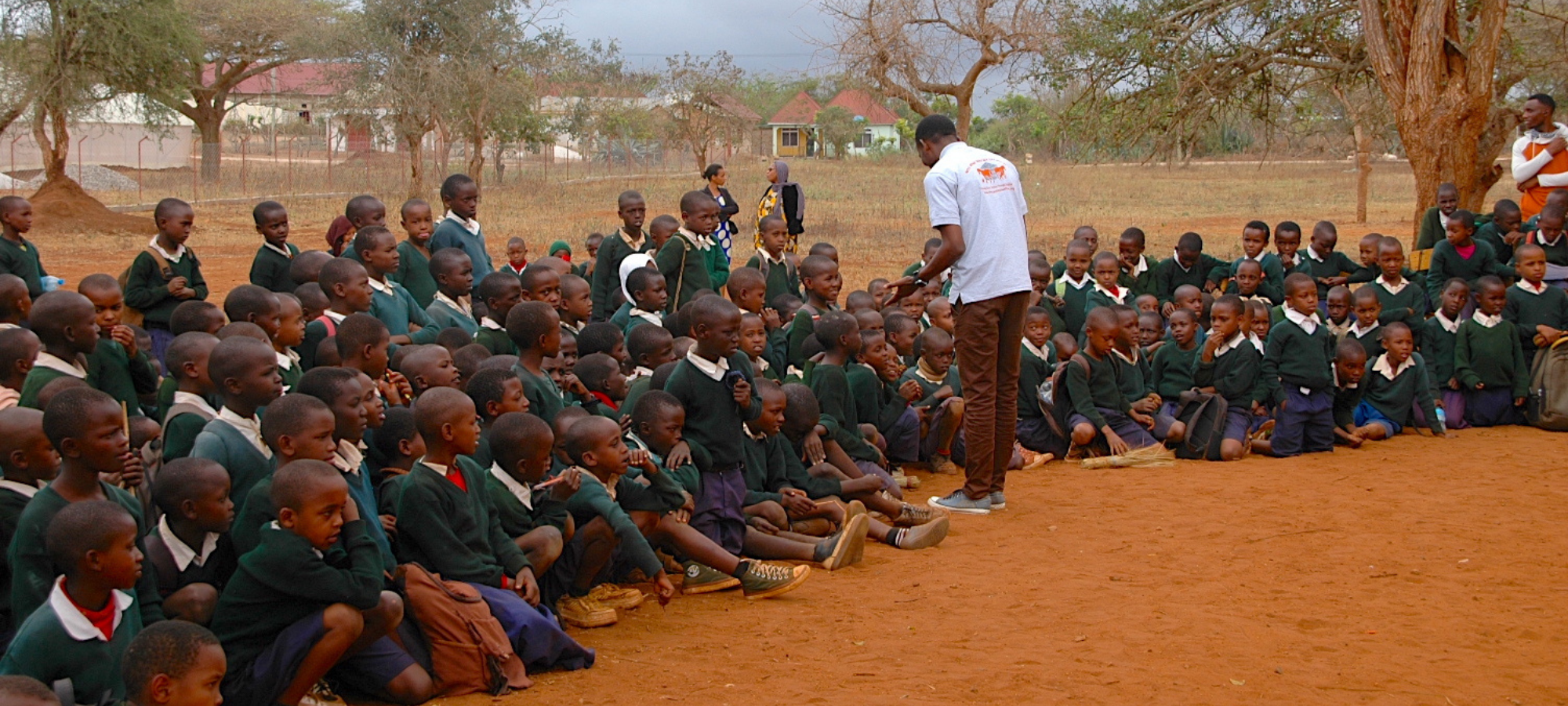
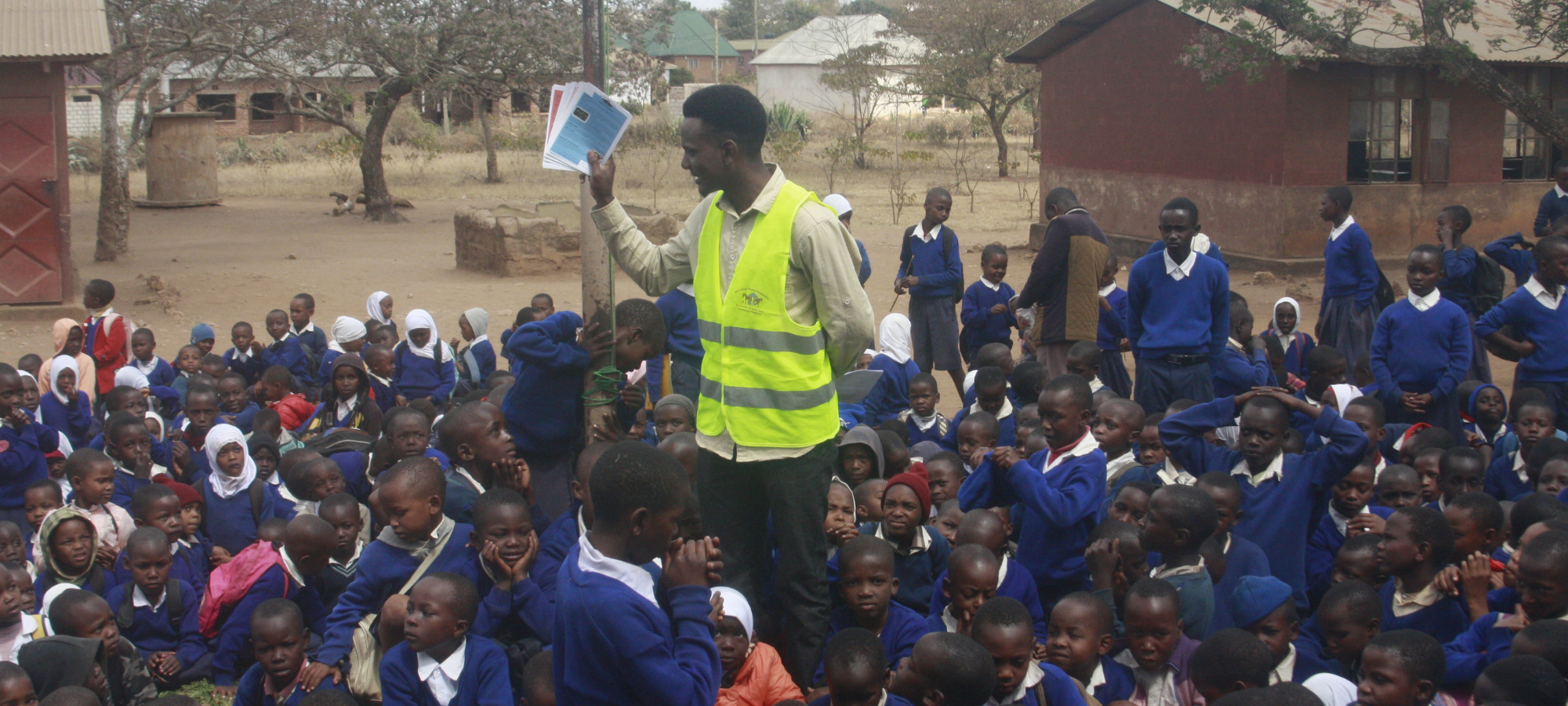
Not everywhere in the world sees dogs and cats the way many of us do. In some places, years of poorly managed stray populations, fears about disease, and a lack of resources have left communities wary of animals, or simply unaware of how to help them. That can lead to a difficult cycle: fear and misunderstanding contribute to neglect and mistreatment, which creates more suffering, which deepens the problem.
Breaking that cycle means working with people, not just animals. That's why education and community engagement are so important to us


Building pride on Penang Island
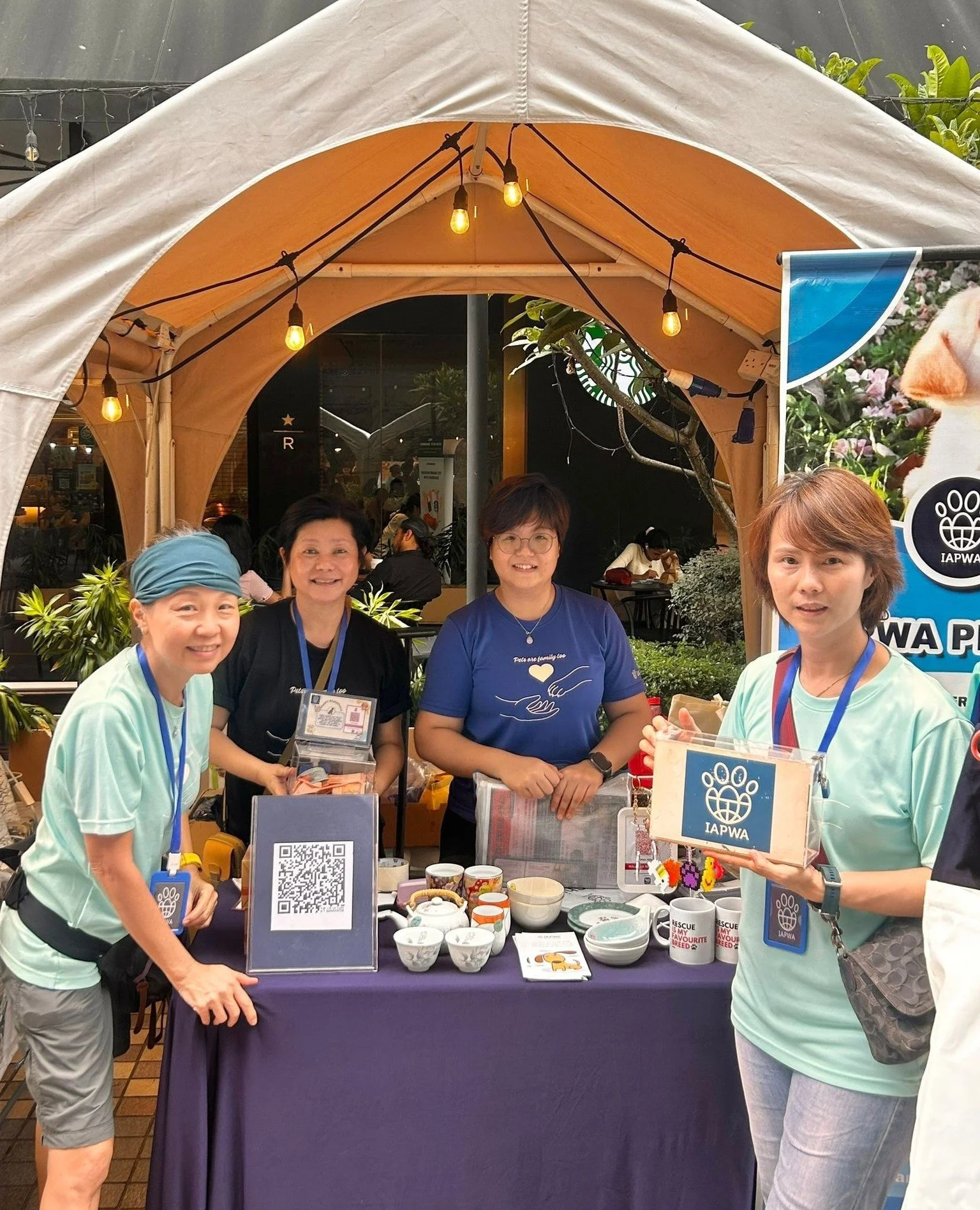
On Penang Island, our team has worked hard to build genuine community ownership of the stray management programme.
Regular adoption drives and local fundraising events have helped people connect with the animals in their community, with hundreds of people getting involved. Since the programme began:
Over 8,100 dogs have been neutered and vaccinated
Over 1,100 dogs have been rehomed through our adoption programme
Today, the majority of funding for the Penang programme comes from the island itself. As well as being a strong funding model, it’s also an incredible sign of how much people there have come to care.
Being a trusted and collaborative voice in the community has also led to some great opportunities to spread the word throughout the country. We recently shared 2,000 tote bags and car stickers promoting humane population management with NGOs and animal advocates across Malaysia. Projects like this are simple, visible, and effective - raising awareness while also helping fund the work.

Transforming a shelter in Borneo
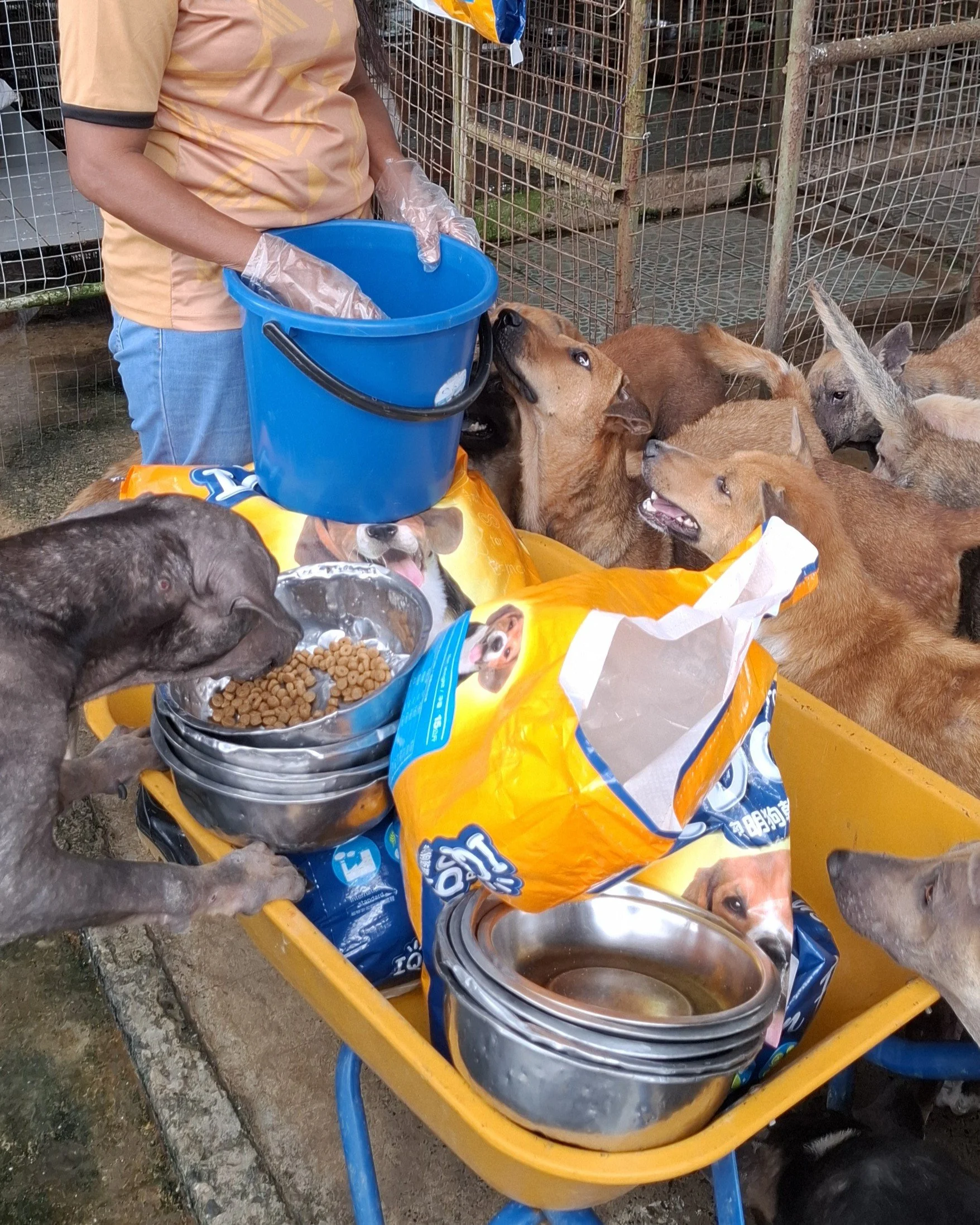
When we began working with an overwhelmed shelter in Borneo, it was important that we didn't just look at the physical conditions. We took the time to truly understand how the shelter operated day to day.
What we found was that staff and volunteers were spending many hours each day on a food preparation regime for nearly 1,000 animals that created hygiene issues, pest infestations and waste management headaches. The staff were utilising so much of their time on the old protocol that they had little time to monitor the animals while they ate, which made it hard to track their health.
We worked with the team to understand their challenges, develop a new feeding system, and train everyone to implement them properly. Animals at the shelter now eat nutritionally complete food, prepared quickly and cleanly. Staff have hours back in their day to focus on the animals' wellbeing. And we supported the shelter with advice on gathering donations of pet food from the local community, so there's always enough to keep every animal well fed.